
What does the new ‘space age’ mean for rural communities?
On 4 October 1957 the Soviet Union launched the first artificial earth satellite (Sputnik 1) from a spaceport known today as Baikonur Cosmodrome. Since then launch vehicles have reached orbit from 27 spaceports around the world. With the rate of space launches expected to grow exponentially in the coming years, the Government here wants the […]

What would a ‘basic income’ for rural residents look like?
‘Basic income’ is a tax-free, unconditional and non-contributory basic income automatically paid to people (weekly or monthly) irrespective of how much they earn or their work status. Interest in basic income is growing– with pilots in Spain, Italy, Finland, Kenya and the Scottish Government supporting Local Authorities to explore a scheme. What does a basic […]

If ‘prevention is better than cure’, what more can be done to prevent rural ill-health?
A crisis-focused system has developed in health and care which is not only costly but also places enormous pressure on services.While efforts have focused on meeting immediate and acute demand, ill-health is not always inevitable and can often be prevented. In July 2019 the Government published a Prevention Green Paper setting out how it wants […]

A [not so] green and pleasant land – what more can be done to tackle fly-tipping?
While the vast majority of householders dispose of their waste responsibly, very sadly a minority do not. In 2017-2018 Local Authorities in England responded to just under 1 million (998,000) fly-tipping incidents; a slight decrease of 1% from the 1,011,000 reported in 2016-2017. Two-thirds (66%) of fly-tips involve household waste. In January 2019 new financial […]
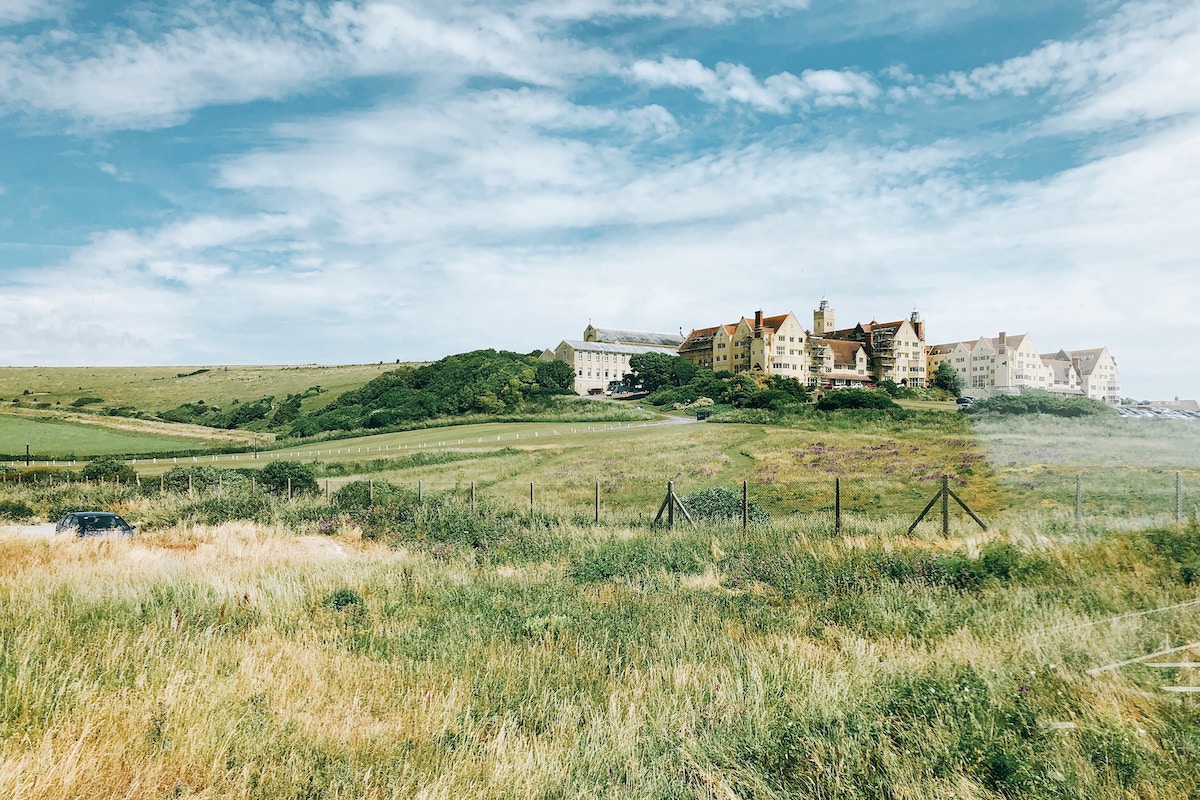
How do other countries “think rurally?”
Rural England is not alone in dealing with issues like transport, broadband, affordable housing and access to services which can leave some people struggling to live, work and thrive in our rural communities. The OECD, for example, publishes comprehensive reviews of rural policy in individual countries as well as overarching analytical reports. Looking at rural […]

Popular Posts
 Preventing the spark: how can rural areas respond to the UK’s rising wildfire risk?
July 22, 2026 What is driving rural waste crime – and how do we tackle it?
June 25, 2026 How can Nature-based Solutions unlock new opportunities for rural areas?
May 28, 2026 What does being ‘emergency ready’ look like in rural areas?
April 23, 2026 Are current water reforms enough to secure long-term supply for rural areas?
March 26, 2026